
DoubleTree by Hilton Fremont Hybrid Solar + Storage
Total CapEx
$1.07 M
Annual Savings
$170,962
20-Year IRR
24.6%
Payback Period
3.8 Yrs
I. Project Basic Information
- Project Name: DoubleTree by Hilton Fremont 350 kW Solar PV + 120 kW / 530 kWh BESS Hybrid Infrastructure Project.
- Location: 39900 Balentine Dr, Newark, CA (PG&E service territory, Silicon Valley commercial corridor).
- Scale & Technology: A behind-the-meter microgrid featuring a 350 kW-DC Tier-1 solar PV array and a 120 kW / 530 kWh lithium-ion battery energy storage system (BESS) with integrated liquid cooling, advanced BMS, and bi-directional smart inverters.
- Offtaker (Host Asset): DoubleTree by Hilton Fremont, a full-service hospitality asset operated by Johnson Hotel Company.
- Developer & EPC: Sponsored and developed by Jenix Energy (Jenix Bravo LLC), with a turnkey EPC contract executed with EPC Energy Inc.
📸 Project Site Images
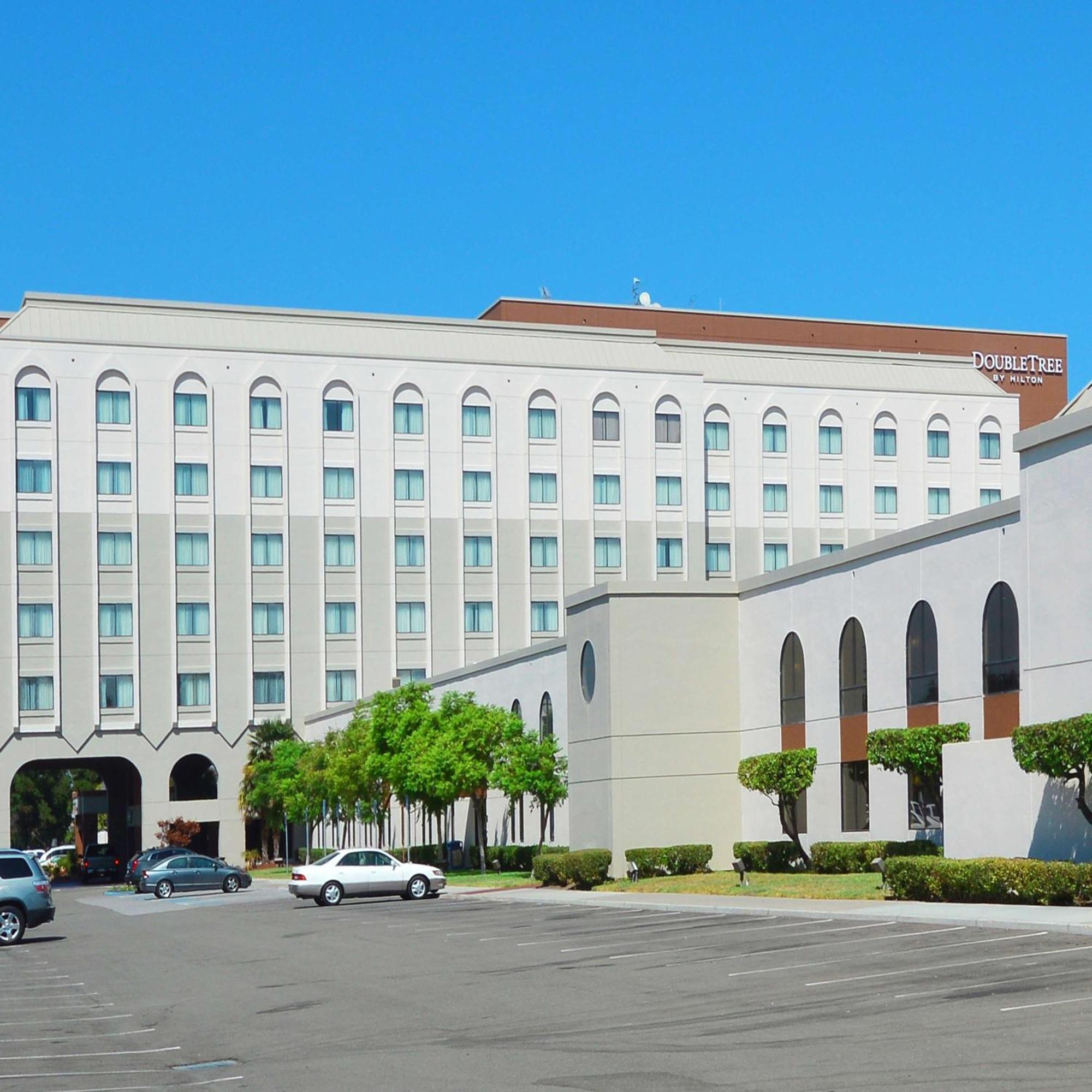
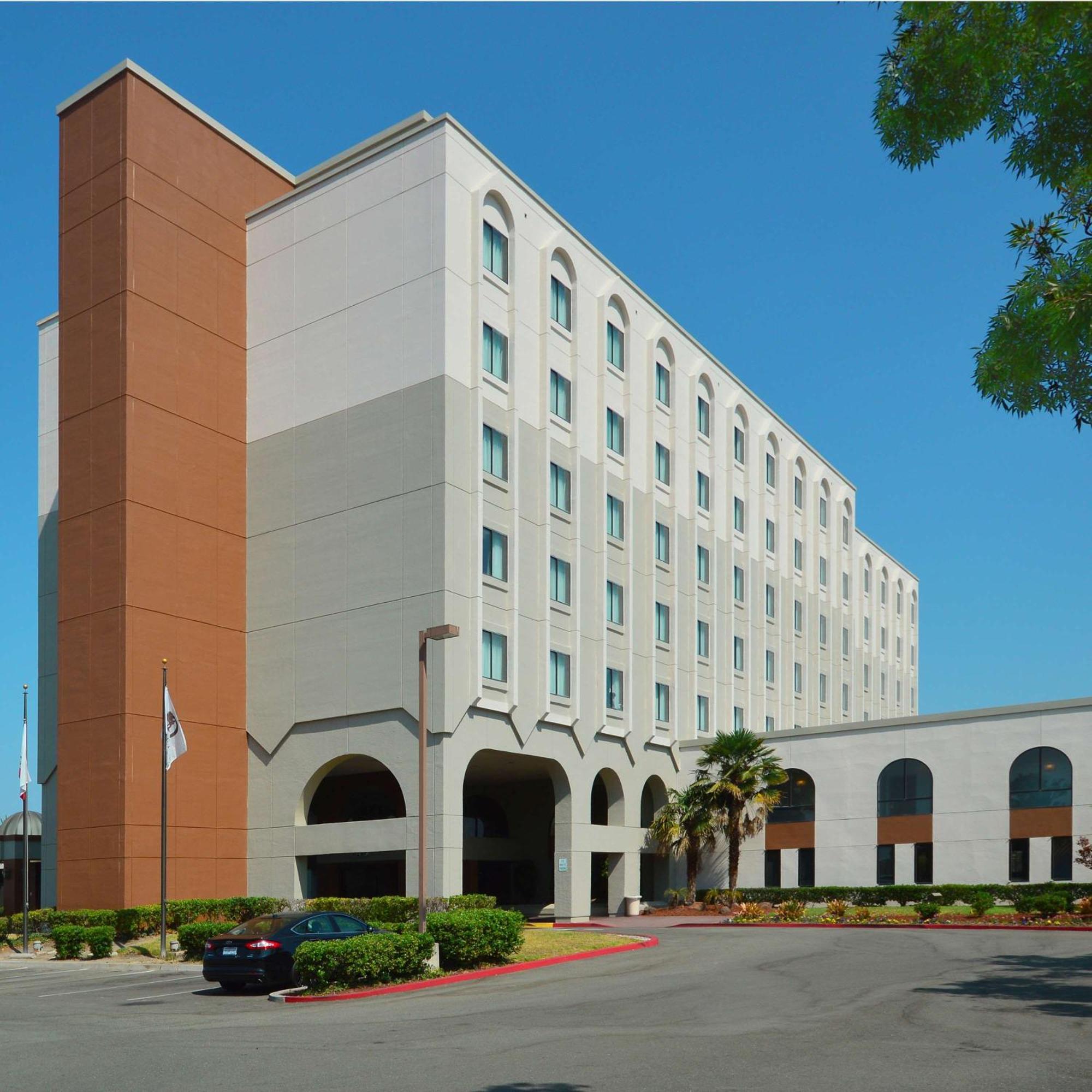
📍 Google Map Information
II. Profit Logic
The core strategy converts volatile utility expenses into predictable, tax-advantaged cash flows:
- Volumetric Energy Offset (Solar PV): The 350 kW PV array generates 537,553 kWh of clean electricity annually, internally offsetting 29.15% of the hotel's total consumption and directly displacing PG&E retail volumetric charges.
- Peak Shaving & Demand Charge Reduction (BESS): The battery monitors real-time facility load and discharges during On-Peak TOU windows (4 PM - 9 PM) and demand spikes. This flattens non-coincident and peak demand reads, capturing $79,812 annually in demand charge reductions alone.
- Tariff Migration: Jenix Energy will formally migrate the hotel's account to the optimized PG&E B-19 alternative tariff suitable for commercial solar-plus-storage applications.
- Tax Shields: The project captures $390,850 in Year-1 incentives, leveraging the 30% Federal ITC for BESS, 100% federal bonus depreciation for both PV and BESS, and California MACRS depreciation.
III. Investment Calculation
- Total Initial CapEx: $1,070,000 (Turn-key gross investment covering engineering, permitting, procurement, and construction).
- Year-1 Incentives & Tax Shields: $390,850 (covering 36.5% of gross CapEx).
- Annual Cash Savings: $170,962 per year (reducing the baseline utility outlay from $540,711 to $369,750, a 31.6% reduction).
- Total Lifecycle Opex: $1,352,585 over 20 years (fully budgeted nominal outflows including inverter replacement, insurance, inspections, and O&M).
- Return Metrics:
- Capital Payback Window: 3.8 years.
- 20-Year Unlevered IRR: 24.6%.
- 20-Year NPV: $1,888,644 (discounted at a conservative 5% WACC).
- Multiple on Invested Capital (MOIC): 2.84x.
IV. Project Cycle
The project is heavily de-risked with key milestones already completed:
- Completed Milestones: Turnkey EPC agreement is executed, and long-lead core materials (premium solar modules and integrated battery enclosures) have been secured.
- Current Phase: PG&E Rule 21 interconnection and City of Newark permitting applications are actively in progress.
- Groundbreaking: Targeted for October 2026.
- Commissioning & Savings Start: Post-construction.
- Asset Lifespan: PV modules warranted for 30+ years; inverters on a 15-year replacement timeline; battery cells modeled for a 10-year core life before reaching degradation thresholds.
📅 Project Implementation Timeline
Completed Milestones
EPC Execution & Material Procurement: Executed turnkey EPC contract; premium modules and container battery enclosures fully secured.
Current Phase
Interconnection & Building Permits: PG&E Rule 21 utility checks and City of Newark building permit applications actively processing.
October 2026 (Targeted)
Groundbreaking & Foundations: Mobilization of turn-key construction teams; civil engineering and concrete pad installation starts.
Post-Construction
Commissioning & Savings Kickoff: Successful grid sync inspection, final power testing, and operational savings kickoff.
V. Risk Points & Mitigation Mechanisms
- Guest Impact Risk: Construction could disrupt hospitality operations. Mitigation: Strict operational guardrails are embedded in the EPC framework. Heavy lifting, electrical tie-ins, and high-noise operations are strictly limited to off-peak morning and afternoon windows to preserve guest comfort scores.
- Permitting & Interconnection Risk: Administrative delays with local authorities or PG&E. Mitigation: Rule 21 interconnection and AHJ permits are managed directly by the EPC contractor under performance-backed timelines.
- Supply Chain Delays: Sourcing delays for critical components could push back COD. Mitigation: Long-lead items are already secured under the executed EPC contract to insulate the project from supply chain fluctuations ahead of groundbreaking.
- Hidden Lifecycle Costs: Unexpected hardware failure or maintenance overruns. Mitigation: A comprehensive 10-year EPC warranty is provided, OEM warranties are fully assigned to the buyer, and all 20-year operational costs (including planned inverter swaps) are fully budgeted in the financial model with no hidden expenses.